
"Corvus Coffee"
200 article(s) found

Introduction to Ecuadorian Coffee Flavor Coffee beans in Ecuadorian Coffee producing areas
When Thomas and the crew landed on the island, they were frantically looking for water and were so thirsty that they squeezed juice from the fat leaves of the cactus to drink. At last a source of water was found in a rocky gully. Thomas attributed it to the gift of God, because it was good Friday, and they had piously celebrated mass before they set out in search of water. But Thomas will never

Introduction of Ecuadorian Coffee Flavor and Taste Manor production area characteristics of Ecuadorian Coffee Galapagos Coffee
In 1535, Flatoma de Belanga and others of Spain stumbled upon the Galapagos Islands. Thomas was born in 1487 on the Duro River in the province of Soria, Spain. He was the fourth bishop of Panama at that time. He was ordered to go to Peru. When his ship set sail from Panama on February 23, under the impact of a strong current, they were taken to the unknown surface of the ocean.

Introduction to San Pedro Manor with the characteristics of Ecuadorian Coffee Flavor Manor
For coffee, the most important thing is to understand the soil and altitude in which it grows will have a significant impact on the quality of coffee products. Alpine coffee from Ecuador is produced at an altitude of about 1000-2000 meters. Coffee from different soils has different tastes. Its taste is very interesting, a little sour and bitter, coupled with aromas and sweetness of fruit, grass and chocolate, for making ES

Introduction of Ecuadorian Coffee Flavor Coffee Flavor Coffee in Ecuador with balanced acidity
St. Cristobal is a larger island in the Galapagos archipelago. At 410m above sea level, there is a small lake called El.Junco, which forms streams along the rocks and volcanic rocks on the southern slope of the island. Mineral-rich fresh water moistens the land of St. Cristobal, keeping the soil moist and fertile. For here.

Introduction to the description of varieties and Flavor in the producing area of Ecuadorian Coffee by the characteristic treatment of Grinding degree
When Thomas and the crew landed on the island, they were frantically looking for water and were so thirsty that they squeezed juice from the fat leaves of the cactus to drink. At last a source of water was found in a rocky gully. Thomas attributed it to the gift of God, because it was good Friday, and they had piously celebrated mass before they set out in search of water. But Thomas will never

Introduction of Coffee Flavor description and Grinding Calibration method in Santa Cruz Manor, Ecuador
St. Cristobal is a larger island in the Galapagos archipelago. At 410m above sea level, there is a small lake called El.Junco, which forms streams along the rocks and volcanic rocks on the southern slope of the island. Mineral-rich fresh water moistens the land of St. Cristobal, keeping the soil moist and fertile. For here.
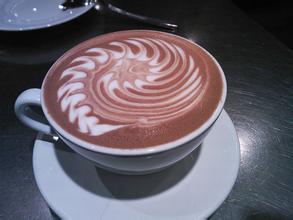
Flavor description of Hassanda Coffee Garden in Ecuador introduction to the characteristics of grinding degree and taste
When Thomas and the crew landed on the island, they were frantically looking for water and were so thirsty that they squeezed juice from the fat leaves of the cactus to drink. At last a source of water was found in a rocky gully. Thomas attributed it to the gift of God, because it was good Friday, and they had piously celebrated mass before they set out in search of water. But Thomas will never

Flavor and taste characteristics of Ecuadorian coffee manor with balanced acidity introduction of high-quality coffee beans
In 1535, Flatoma de Belanga and others of Spain stumbled upon the Galapagos Islands. Thomas was born in 1487 on the Duro River in the province of Soria, Spain. He was the fourth bishop of Panama at that time. He was ordered to go to Peru. When his ship set sail from Panama on February 23, under the impact of a strong current, they were taken to the unknown surface of the ocean.

Balanced and refreshing coffee flavor description of Santa Cruz Manor in Ecuador introduction to the characteristics of roasting area
St. Cristobal is a larger island in the Galapagos archipelago. At 410m above sea level, there is a small lake called El.Junco, which forms streams along the rocks and volcanic rocks on the southern slope of the island. Mineral-rich fresh water moistens the land of St. Cristobal, keeping the soil moist and fertile. For here.

Description of Coffee Flavor in Santa Cruz Manor, Ecuador; introduction to the roasting degree of varieties in producing areas
In 1535, Flatoma de Belanga and others of Spain stumbled upon the Galapagos Islands. Thomas was born in 1487 on the Duro River in the province of Soria, Spain. He was the fourth bishop of Panama at that time. He was ordered to go to Peru. When his ship set sail from Panama on February 23, under the impact of a strong current, they were taken to the unknown surface of the ocean.
A brief introduction to the description characteristics of flavor, taste and aroma in the producing area of Hassanda Coffee Manor in Ecuador
St. Cristobal is a larger island in the Galapagos archipelago. At 410m above sea level, there is a small lake called El.Junco, which forms streams along the rocks and volcanic rocks on the southern slope of the island. Mineral-rich fresh water moistens the land of St. Cristobal, keeping the soil moist and fertile. For here.

Introduction to the flavor and taste characteristics of Santa Cruz Manor Coffee with sweet caramel
Ecuadorian coffee exports from China Coffee Network have declined for three consecutive years. In recent years, the Latin American coffee industry has been plagued by coffee leaf rust (CoffeeRoya), and Ecuador has not been spared. Since 2012, coffee bean exports have lost a total of US $20 million, with exports of US $28.8 million, US $14.8 million and US $9.7 million respectively in the first five months of the past three years, with an annual decline of 30-40 per year.
Description of Ecuadorian Coffee Flavor characteristics of Grinding degree introduction of fine coffee beans in producing areas
St. Cristobal is a larger island in the Galapagos archipelago. At 410m above sea level, there is a small lake called El.Junco, which forms streams along the rocks and volcanic rocks on the southern slope of the island. Mineral-rich fresh water moistens the land of St. Cristobal, keeping the soil moist and fertile. For here.

Coffee producing countries of Ecuador introduce San Cristobal Hasunda Coffee Garden
In the mid-15th century, there were legends about enchanted mysterious islands among fishermen fishing in the western Pacific Ocean of South America. It is said that the islands can sometimes be seen clearly from a distance, but when the ship approaches, it disappears again; sometimes it looks like a galleon, sometimes it shows the shape of a witch. The fishermen called these islands Magic Island and thought it was there.

An introduction to the coffee flavor and taste producing area of Hassanda Coffee Garden in Ecuador from the hometown of the tortoise.
As coffee is consumed by people all over the world, the world coffee industry is also moving towards mass production, while St. Cristobal, a small and unreliable coffee industry, is in trouble and is likely to be forced to give up without profit. It wasn't until the early 1990s that the Gonzalez family bought Hasunda Coffee Park. Humboldt current (HumboldtC

Introduction of Ecuadorian Grade A Coffee with large State-run seed value Garden
Because of the unique role of the Galapagos Islands in the course of history, the Government of Ecuador has designated the Galapagos Islands as a national park, the land is no longer allowed to be reclaimed as new agricultural land, and the introduction and use of chemical fertilizers, pesticides, herbicides and other chemicals are strictly prohibited, so coffee produced in the Galapagos Islands is recognized as a natural product. Ecuador ES Coffee South Ecuador

Coffee flavor and taste of Santa Cruz Manor on Santa Cruz Island, Galapagos Islands, Ecuador
Because of the unique role of the Galapagos Islands in the course of history, the Government of Ecuador has designated the Galapagos Islands as a national park, the land is no longer allowed to be reclaimed as new agricultural land, and the introduction and use of chemical fertilizers, pesticides, herbicides and other chemicals are strictly prohibited, so coffee produced in the Galapagos Islands is recognized as a natural product. Ecuador ES Coffee South Ecuador
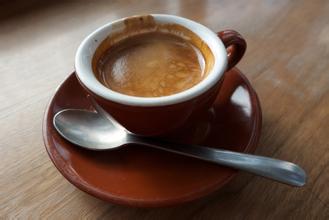
Fragrant Ecuadorian Coffee Manor flavor and taste characteristics of fine coffee beans
When Thomas and the crew landed on the island, they were frantically looking for water and were so thirsty that they squeezed juice from the fat leaves of the cactus to drink. At last a source of water was found in a rocky gully. Thomas attributed it to the gift of God, because it was good Friday, and they had piously celebrated mass before they set out in search of water. But Thomas will never

Introduction to the flavor description of Ecuadorian coffee beans produced by grinding scale
In 1875, 340 years after Freitoma de Belanga discovered the island, an indigenous man named Kovos came to St. Cristobal Island, where he established the Hasunda Coffee Garden and planted about 100 hectares of Arabian bourbon coffee trees. Since the plantation is located between 140m and 275m above sea level, the climate is equivalent to that of 915m ~ 1830 m in the interior.

Grinding scale treatment of Ecuadorian Coffee introduction to manors in varieties producing areas
In the mid-15th century, there were legends about enchanted mysterious islands among fishermen fishing in the western Pacific Ocean of South America. It is said that the islands can sometimes be seen clearly from a distance, but when the ship approaches, it disappears again; sometimes it looks like a galleon, sometimes it shows the shape of a witch. The fishermen called these islands Magic Island and thought it was there.